Three Days in Varanasi: An Unhurried Itinerary That Still Sees Everything
Three days is the sweet spot for a first visit to Kashi — enough for the ghats, the sunrise boat, Vishwanath darshan, the old-city lanes and a half day in Sarnath, without running.
Varanasi punishes hurry and rewards rhythm. The city’s best hours are dawn and dusk; the middle of the day is for eating, resting and letting the lanes happen to you. This three-day plan is built around that rhythm. It assumes you are staying somewhere near the ghats — around Assi if you like calm and cafes, around Godowlia–Dashashwamedh if you want to sleep in the thick of it.
Day 1 — Arrive, walk south, see the aarti
Land, check in, eat, rest. Kashi will still be there at four.
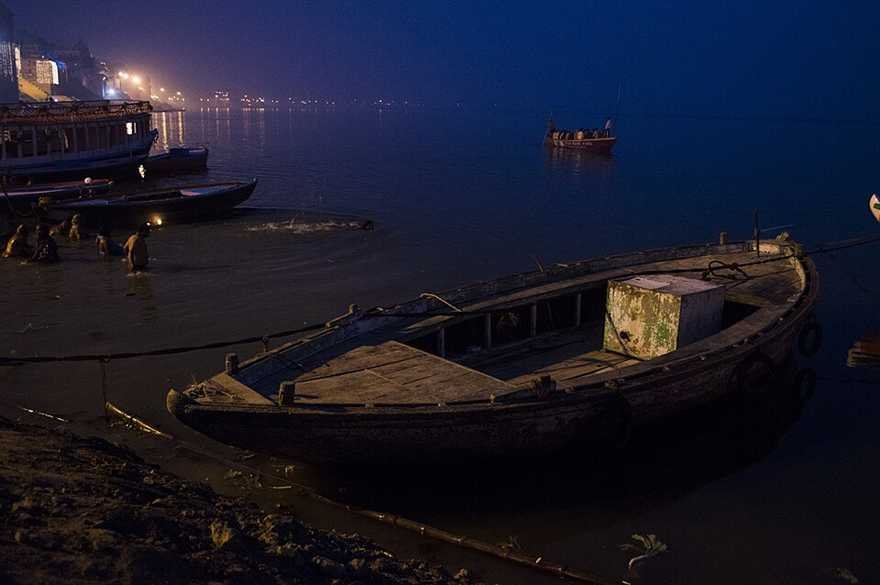
In the late afternoon, start your first ghat walk. From Assi Ghat, head north along the riverfront — Tulsi, Harishchandra, Kedar — an easy stretch that introduces the city’s whole grammar: pilgrims, buffaloes, wrestlers, chai, laundry, funerals, all on the same steps.
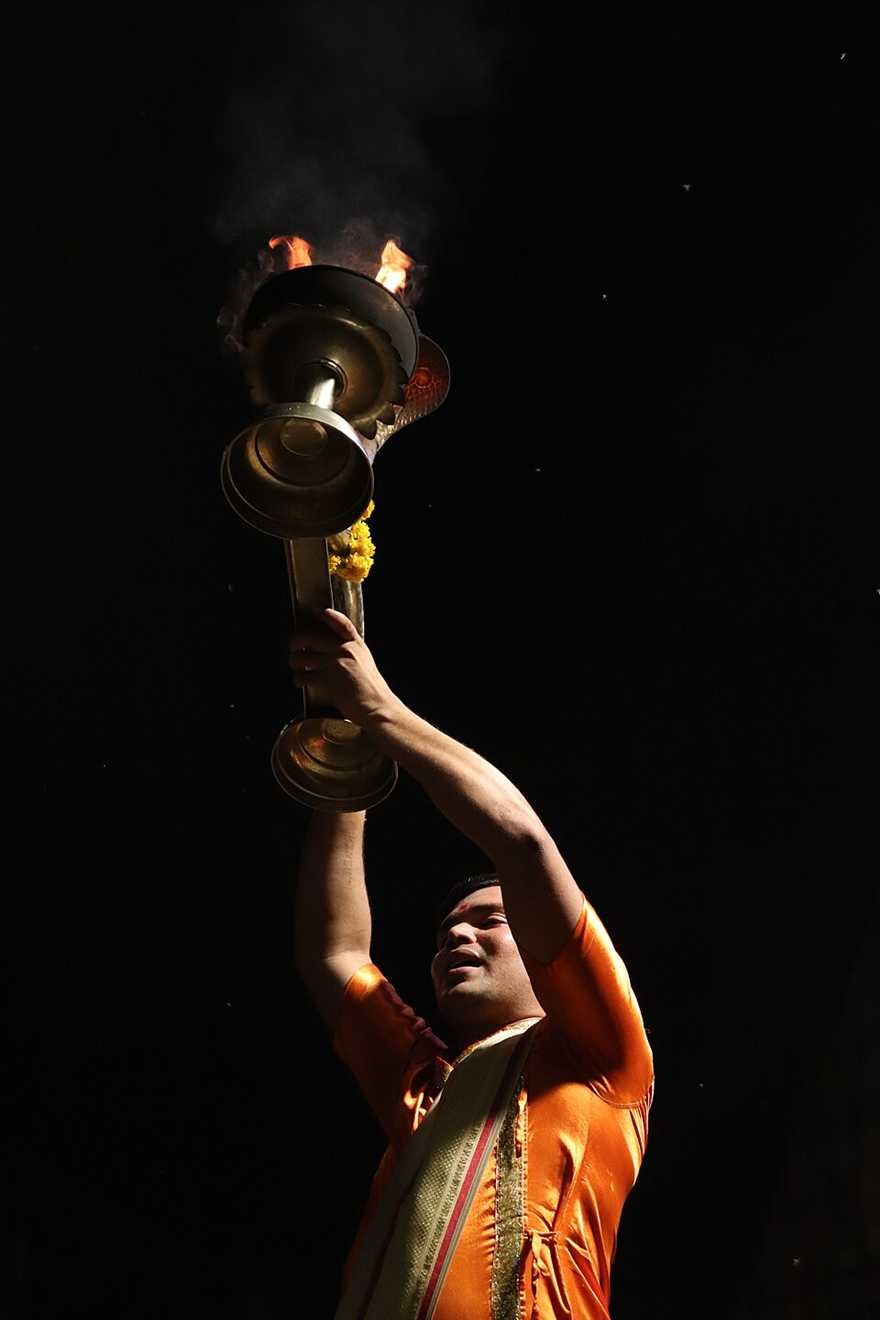
Aim to reach Dashashwamedh Ghat before sunset for the Ganga aarti — the choreographed evening offering of fire to the river. It starts shortly after sundown (the hour shifts with the season). Come early for a place on the steps, or watch from the water: boats anchor in front of the ceremony, which is the calmer, cooler seat. Dinner afterwards in the Godowlia lanes — kachori-sabzi, tamatar chaat, and in winter, hunt down malaiyo, the saffron milk-foam dessert that exists only on cold mornings and vanishes by mid-day.
Day 2 — Sunrise on the river, Vishwanath, the lanes
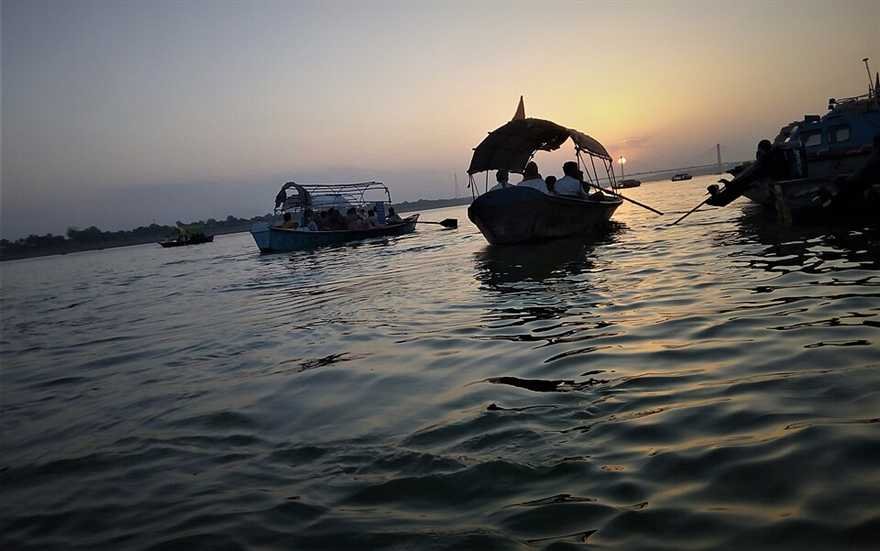
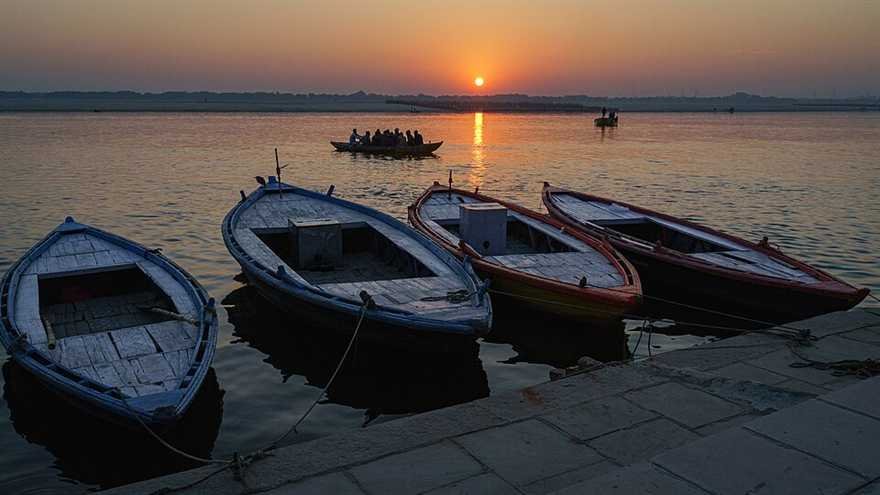
This is the classic Varanasi day, and it starts in the dark. Be at the ghat for a sunrise boat ride — the single best thing the city offers. The whole riverfront glows amber as the sun clears the far bank; you glide past palaces and akharas while the city bathes, prays and stretches. An hour to ninety minutes is typical.
Step off at Lalita Ghat and walk up through the corridor for Kashi Vishwanath darshan while the morning is still young (see our separate darshan guide for tickets and what you can carry). Pay respects at Annapurna next door, then surrender to the old city: the lanes between the temple and Thatheri Bazar are the densest, most alive square kilometre in India. A guided heritage walk is worth it here — the stories are not written on the walls.
Afternoon: rest. Evening: head back to Assi Ghat, where the nightly aarti is smaller and more intimate than Dashashwamedh’s, and the steps stay lively late — this is the city’s unofficial living room. If there is a classical concert on anywhere — Varanasi is the seat of the Banaras gharana — go.
Day 3 — Sarnath, then silk and farewells
Ten kilometres north-east of the city lies Sarnath, where the Buddha, newly enlightened, taught his first sermon to five companions in a deer park — the moment Buddhists call the turning of the wheel of dharma. Give it an unhurried half day:
- Dhamek Stupa, the great cylindrical monument marking the teaching site, ringed by excavated monastery ruins.
- The Archaeological Museum, home of the Ashokan Lion Capital — the original of India’s national emblem. It has traditionally stayed closed on Fridays; check before you plan the day around it.
- Mulagandha Kuti Vihar, the modern temple with its celebrated fresco cycle, and the peaceful Chaukhandi Stupa nearby.
- The Thai, Tibetan and Japanese monasteries, if time allows.
Return by afternoon for the errands that make good souvenirs: Banarasi silk from a reputable weaver or established showroom (ask to see the GI tag and the reverse of the weave), lacquered wooden toys, and a proper Banarasi paan to finish.
Practical notes
- Cars cannot enter the old city; autos and e-rickshaws drop you at the edges — build in ten minutes of walking everywhere.
- Mornings are gold. Whatever you care about most, do it before ten.
- Dress modestly for temples, carry small change, and keep one pocket of your plan empty — Varanasi always fills it with something you didn’t book.
Or let us run the whole trip
Hotels, cabs, boats and darshan in one booking with one invoice — built by the local team.