The UP Spiritual Triangle: Kashi, Prayagraj and Ayodhya in One Journey
Shiva’s eternal city, the confluence of three rivers, and the birthplace of Ram now link into one smooth road circuit. What each city means, the real distances, and a 4-night, 5-day flow that works.
Three of Hinduism’s most charged geographies sit within a morning’s drive of each other in eastern Uttar Pradesh: Kashi (Varanasi), Prayagraj and Ayodhya. For generations pilgrims strung them together on slow trains; today’s highways have turned the loop into a comfortable road circuit — the “UP Spiritual Triangle” — that fits neatly into five days.
The shape of the triangle
- Varanasi → Prayagraj: roughly 120 km, about a three-hour drive.
- Prayagraj → Ayodhya: roughly 160–170 km, around four hours.
- Ayodhya → Varanasi: the longest leg, roughly 200–220 km, four and a half to five hours.
Drive times swell around festivals and melas, so treat these as fair-weather numbers and start every leg early.
What each city means
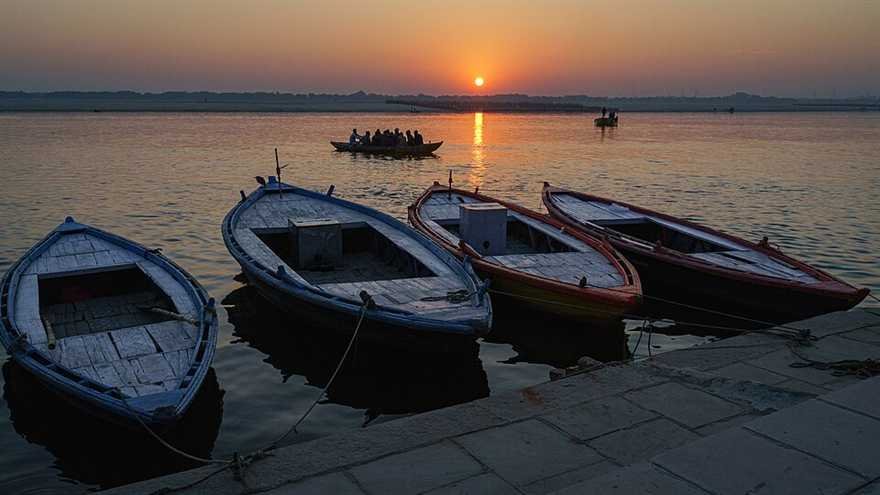
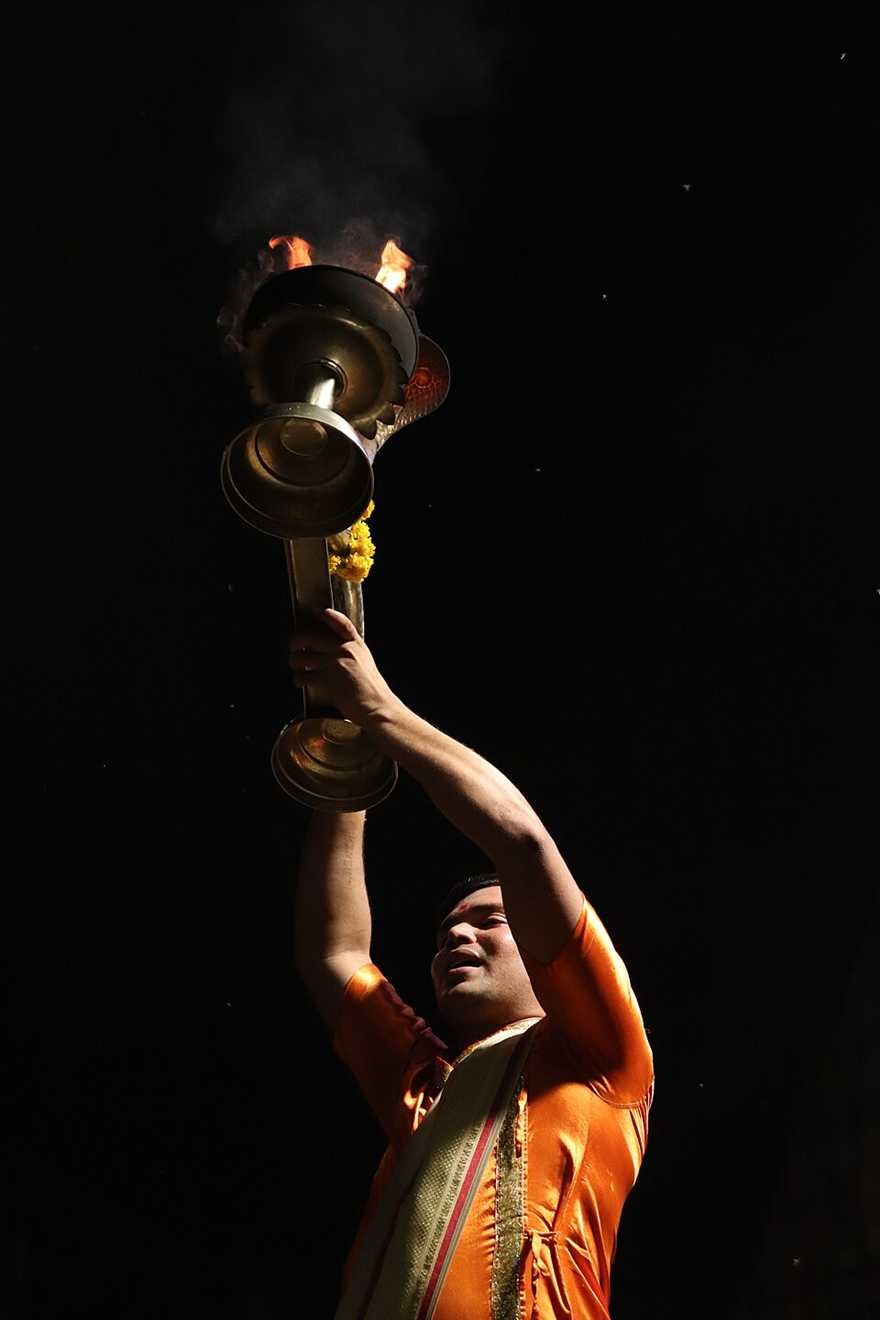
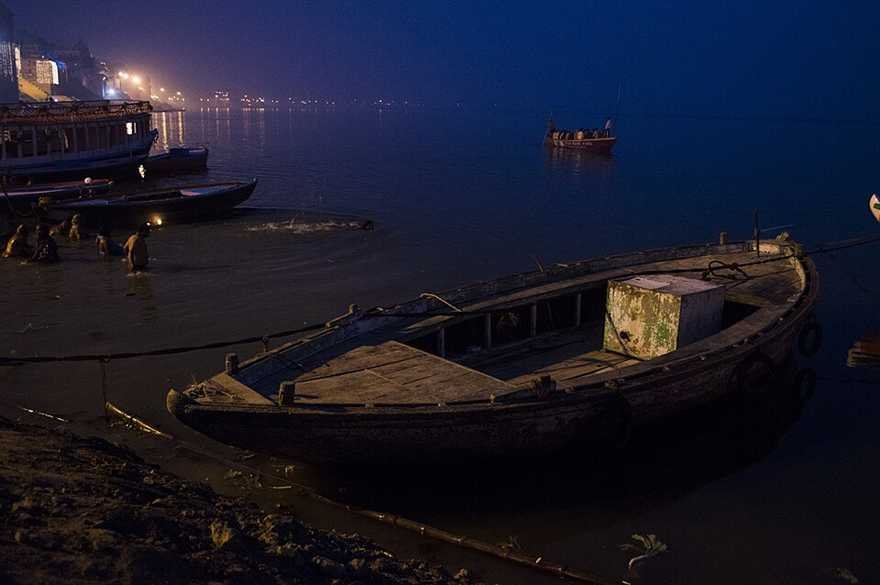
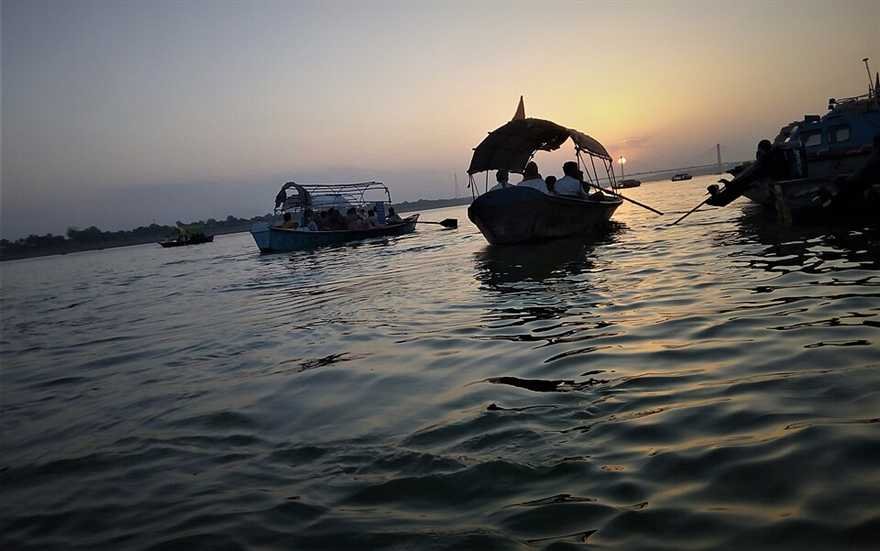
Kashi is Shiva’s city — the jyotirlinga of Vishwanath, the crescent of 84 ghats, and the belief that dying here brings liberation. It is the sensory deep end of the circuit: aarti flames, sunrise boats, the old city’s lanes.
Prayagraj is the Triveni Sangam, where the brown Ganga meets the green Yamuna and, belief says, the invisible Saraswati joins them both. A boat carries you to the bathing platforms at the meeting line of the waters; a dip here is held to wash away lifetimes of sin. This is the ground of the Kumbh Mela — the largest human gathering on earth — and even on an ordinary day the sandy expanse hums with pilgrims. Nearby stand the fort built by Akbar, the reclining Bade Hanuman temple just outside its walls, and Anand Bhavan for a dose of modern history. Every January–February the Magh Mela raises a tent city on the banks; visiting during it is unforgettable and logistically demanding — choose deliberately.
Ayodhya is Ram Janmabhoomi — the birthplace of Ram on the banks of the Saryu. The grand Ram Mandir, consecrated in January 2024, has transformed the city and its pilgrim flow. Local custom holds that you visit Hanuman Garhi first — Hanuman guards the city and takes the first darshan — before proceeding to the Janmabhoomi temple. Keep time for Kanak Bhavan, and for the Saryu ghats at dusk, when the evening aarti at Ram ki Paidi mirrors, on a gentler scale, what you saw in Kashi. Note that security at the Ram Mandir is strict: expect to leave phones and bags in lockers, and check current darshan and aarti-pass arrangements before you go, as they continue to evolve.
A 4-night / 5-day flow that works
- Day 1 — arrive Varanasi. Evening ghat walk and the Ganga aarti at Dashashwamedh. Overnight Varanasi.
- Day 2 — Varanasi in full. Sunrise boat, Kashi Vishwanath darshan via the corridor, old-city lanes; Sarnath in the afternoon if your pace allows. Overnight Varanasi.
- Day 3 — to Prayagraj. Early departure; boat to the Sangam for the dip, Bade Hanuman darshan, an easy evening. Overnight Prayagraj.
- Day 4 — to Ayodhya. Morning drive; Hanuman Garhi, then Ram Janmabhoomi darshan, Kanak Bhavan, and Saryu aarti at dusk. Overnight Ayodhya.
- Day 5 — return or fly out. Drive back to Varanasi for onward connections, or use Ayodhya’s own airport if a flight lines up with your route.
Practical wisdom
- Sequence flexibly. The circuit runs equally well in reverse; anchor it on whichever city your flights favour.
- One car, one driver for the whole loop beats stitching legs together — the driver learns your pace, and luggage stays put.
- Dress and carry for temples: modest clothes, minimal bags, ID; assume phones stay outside at Ayodhya.
- Watch the calendar. Sawan in Kashi, Magh Mela in Prayagraj and Ram Navami in Ayodhya each multiply crowds — wonderful if intended, bruising if accidental.
Three cities, three registers of the same faith: liberation, confluence, homecoming. Done unhurried, the triangle feels less like sightseeing and more like a single long pilgrimage with three doors.
Or let us run the whole trip
Hotels, cabs, boats and darshan in one booking with one invoice — built by the local team.