Pind Daan in Kashi: A Gentle Guide for Families
Performing shraddha rites for a departed loved one in Kashi is an old and consoling tradition. What pind daan means, where it is performed — the ghats and Pishach Mochan — and what your family should know before the morning of the rite.
Families usually come to this page in a tender season. If that is you, take your time — and know that what you are planning is something Kashi has helped families do, with great care, for thousands of years.
What pind daan means
Shraddha is the family of rites by which the living honour and nourish their ancestors — the pitrs. Pind daan, its heart, is the offering of pindas: small rounded portions of cooked rice or barley mixed with sesame, offered with water (tarpan) and mantras in the ancestor’s name. The tradition holds that these offerings sustain the departed on their onward journey and settle them among the ancestors, at peace. Whatever one’s philosophy, the rite does something recognisable for the living too: it gives grief a form, a morning, and an ending.
Kashi’s standing here is ancient. It is counted among the great tirthas for ancestral rites alongside Gaya, Prayagraj and Badrinath, and the tradition holds Kashi so auspicious that shraddha may be performed here year-round — though the fortnight of Pitru Paksha (usually September–October; dates follow the lunar calendar) and amavasya days remain the classic occasions. Your priest will advise on timing; in Kashi, no season is wrong.
Where the rites are performed
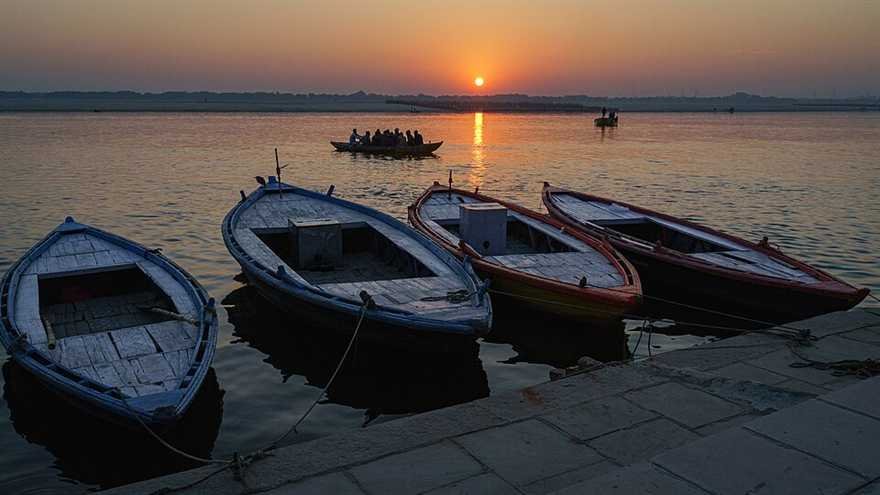
On the ghats. Ganga-side shraddha is performed at the riverfront — commonly in the stretch around Manikarnika Ghat and at other ghats your purohit favours — with the river receiving the offerings. Families who have brought asthi (ashes) for immersion usually combine the visarjan and the shraddha in one morning.
At Pishach Mochan Kund. This ancient tank away from the river holds a specific place in the tradition: it is the seat of tripindi shraddha, the rite prescribed when a death was untimely, violent or far from home, or when a family senses an ancestor remains unquiet. If this is your situation, say so plainly when you book — the rite, the venue and the preparation differ from ordinary pind daan.
Which is right for your family is not a puzzle you need to solve alone; describe your intention and circumstances, and a knowledgeable priest will point the way.
What the family should know beforehand
- Names and gotra. The rite names the departed and, traditionally, the two generations before them. Bring what names you know, and your family’s gotra if you know it — and if you don’t, do not worry: the tradition has accepted conventions for exactly this, and the priest will proceed respectfully.
- Who performs it. Classically the eldest son leads, but the tradition is broader in practice than in stereotype — other sons, grandsons, brothers, and in many families daughters or a spouse perform the rite with the priest’s guidance. What matters is sincere intention, the sankalp.
- The morning itself. Expect a bath or sprinkling of Ganga water, the sankalp (a spoken declaration of who offers, for whom, and where), the preparation and offering of pindas, tarpan, and closing daana. Most family rites take a morning; tripindi shraddha runs longer. There is no hurry built into any of it.
- What to wear and bring. Simple, traditional, light-coloured clothing; men leading the rite often wear a dhoti, which can be arranged locally. The samagri — all ritual materials — is normally arranged by the priest; you carry little more than the names and yourselves.
- Agree arrangements clearly. Settle the priest’s dakshina and the samagri arrangements respectfully in advance, and be wary of unsolicited “agents” who attach themselves to families at the ghats. A verified purohit, arranged beforehand, removes this entire layer of stress.
On dignity — yours and others’
The ghats where these rites happen are shared with other families in mourning. Keep phones away, photograph nothing of others’ ceremonies, and let your own be as private as you wish — it is entirely fine to ask onlookers for space. Tears are not an interruption of the rite; they belong to it.
If we can help — with a verified pandit who explains each step in your language, the venue arrangements, or simply advice on timing — we are a message away, and we will treat the task with the seriousness it deserves.
Verified pandits, explained rituals
From rudrabhishek to pind daan — we arrange the pandit, the samagri and the timing, and explain every step.