Kashi Vishwanath Darshan: A First-Timer’s Guide to the Corridor
One of the twelve jyotirlingas, reachable now straight from the river through the new corridor. How the darshan actually works, what Sugam darshan is, what you can and cannot carry, and what to see within a short walk.
Every itinerary in Varanasi bends around one fixed point: Shri Kashi Vishwanath, the jyotirlinga of Shiva as Vishweshwara, ruler of the universe. Twelve jyotirlingas are scattered across India; this is the one the scriptures place at the centre of Kashi’s promise of liberation. The present temple was raised in 1780 by Ahilyabai Holkar, the queen of Indore, and its spire was gilded in the 1830s with gold given by Maharaja Ranjit Singh.
The corridor changed everything
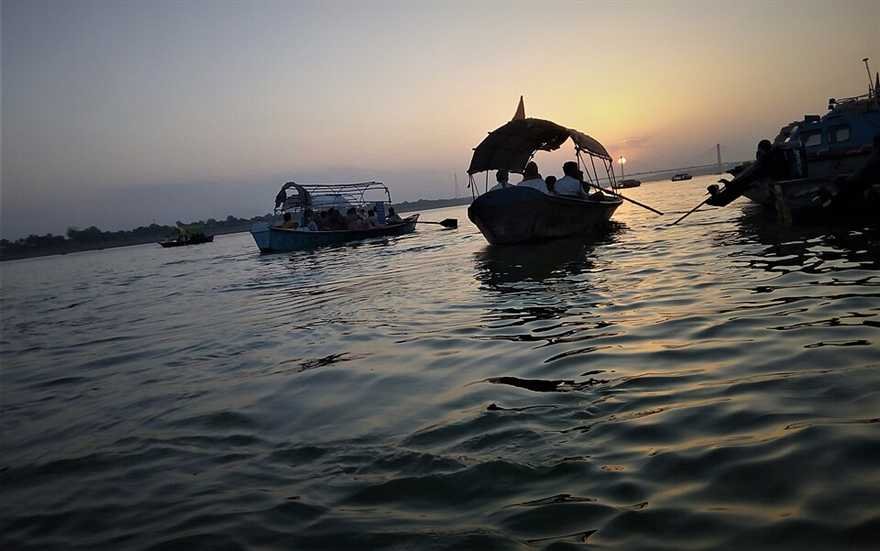
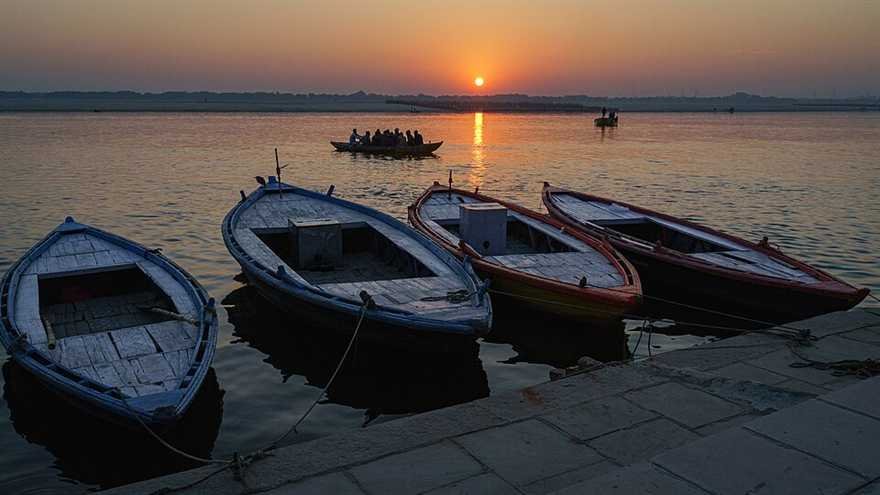
Until 2021, reaching the temple meant threading blind lanes barely two people wide. The Kashi Vishwanath corridor, inaugurated in December 2021, cleared a direct, open route between the temple and Lalita Ghat on the Ganga — an expanse of courtyards, gates and facilities covering roughly five acres. The loveliest way to arrive is the old pilgrim’s way, made new: come by boat to Lalita Ghat, take a dip if you wish, and walk up through the corridor with the river at your back.
Timings: the honest answer
The temple opens well before dawn for the Mangala aarti and closes late at night after the Shayan aarti, with several ticketed aartis through the day. Beyond that, we deliberately won’t print a schedule — timings genuinely shift with seasons, festivals and administrative orders, and a blog post ages badly. Check the temple trust’s official website or app in the week you travel, and reconfirm locally on the day. During Sawan (roughly July–August), Mahashivratri and major festivals, expect extended hours and very long queues.
The regular queue vs Sugam darshan
The free general queue works, and on an ordinary weekday morning it moves steadily. If your time is short or you are travelling with elders, the trust offers Sugam darshan — a paid ticket for a quicker, managed entry — bookable through the official website and authorised counters. Two cautions: book official channels only, and politely ignore anyone in the lanes promising “special darshan” for cash. Aarti attendance (Mangala and others) is also ticketed and books out early on auspicious days.
What to carry — and what to leave behind
Security is airport-style. As a rule, phones, cameras, smartwatches, large bags and leather items don’t go inside; locker and cloakroom facilities operate near the entry gates, though rules and gate assignments change, so travel light to begin with. Carry a government ID for ticketed services. Offerings — flowers, bel leaves, a small container for Gangajal — are easily bought at the gates; you don’t need to bring anything from home.
A gentle note on the sanctum: on busy days the darshan itself lasts seconds. Let it be enough. The queue, the chants, the river walk — the whole approach is the worship.
Within a short walk
- Annapurna temple, beside the corridor — the goddess who feeds Kashi; darshan here traditionally pairs with Vishwanath.
- Vishalakshi temple, in the lanes towards Meer Ghat — one of the Shakti Peethas.
- Kaal Bhairav, a short ride away — the fierce guardian the tradition calls the kotwal, the police chief of Kashi; many locals say a Kashi yatra is incomplete without reporting to him.
- Godowlia crossing — the market whirl of the old city: lassi shops, kachori lanes, silk and brass.
- Dashashwamedh Ghat — close enough to walk for the evening Ganga aarti and round off the day.
A first-timer’s plan that works
Go early on a weekday. Boat to Lalita Ghat as the sun rises, walk up through the corridor, take darshan, pay respects to Annapurna, then let the lanes pull you towards breakfast. You will be done before the day’s heat and crowds arrive — with the whole city still ahead of you.
Skip the confusion, not the darshan
A licensed local guide handles the queues, lockers and lanes — you keep your mind on the temple.